Start with critical operating loads
Describe forklifts, space heat, process equipment, backup loads, shift schedules, material flow, and the equipment that cannot easily stop.
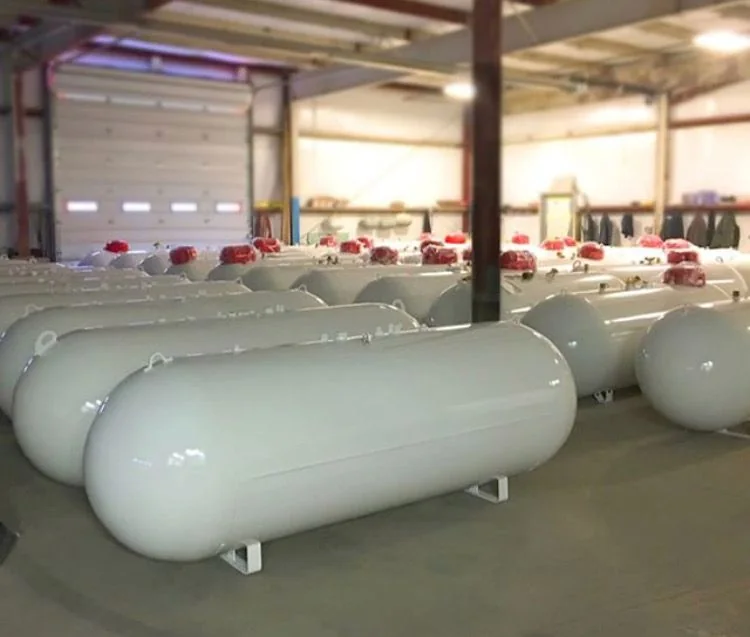
Warehouses and plants may use propane for forklifts, space heat, process equipment, backup applications, or several loads at once. Start with the operating schedule and equipment that cannot easily stop.
List propane forklifts, heaters, process burners, ovens, generators, or other equipment and note when they operate. Shift overlap matters because several loads may peak at the same time even if annual fuel use looks moderate. Then map cylinder storage, bulk storage, receiving docks, employee traffic, and equipment service areas. A workable supply plan must fit both fuel demand and the facility’s day-to-day material.
Call (888) 559-7587Describe forklifts, space heat, process equipment, backup loads, shift schedules, material flow, and the equipment that cannot easily stop.
Describe production, material handling, heating, backup, and other propane loads across the working day.
Share receiving hours, shift changes, peak throughput, cold-weather demand, and continuity-sensitive periods.
Share forklift count, cylinder usage, shift pattern, and how full and empty cylinders move through the facility. Identify building heat or process equipment, connected load, hours of operation, and any temperature-critical functions.
Describe production, material handling, heating, backup, and other propane loads across the working day.
Call (888) 559-7587Share receiving hours, shift changes, peak throughput, cold-weather demand, and continuity-sensitive periods.
Call (888) 559-7587Bring storage, service-entry, traffic-flow, equipment-zone, and delivery-access details.
Call (888) 559-7587Bring the facility equipment list, shift schedule, storage areas, and receiving hours so the provider can see where fuel demand and material flow overlap.
Ask whether cylinder inventory or bulk storage fits the combined equipment load. Confirm delivery timing around receiving schedules and production traffic.
Call (888) 559-7587Bring equipment lists, shift schedules, material flow, existing storage, cylinder handling, delivery access, and recent usage information.
Confirm bulk or cylinder supply options, delivery timing, storage requirements, responsibilities, monitoring, and current commercial terms.
Compare the confirmed supply plan with the busiest shift, critical equipment, material flow, and continuity requirements.
The busiest hour can matter more than an average month when forklifts, heaters, and process equipment run together. Note startup heating, material movement, and process demand.
Describe the normal production shift using forklift activity, process loads, space heating, operating hours, and equipment overlap.
Identify shift changes, production surges, cold weather, receiving peaks, or process periods when propane demand is highest.
Note production changes, added equipment, longer shifts, facility expansion, or workflow changes that can increase fuel demand.
Facilities using both forklift cylinders and stationary equipment may need two different handling routines. Map storage, exchange, empty returns, and receiving.
Update the provider when production volume, operating hours, equipment, forklift count, or heating needs change.
Recheck delivery and storage access whenever dock traffic, racking, production layout, or material staging changes.
Identify process, heating, or material-handling loads where a fuel interruption would stop work or affect production.
Production changes can increase fuel use quickly without obvious equipment changes. More operating hours increase both heat and forklift fuel demand.
Bring equipment lists, shift schedules, material flow, existing storage, cylinder handling, delivery access, and recent usage information.
Confirm bulk or cylinder supply options, delivery timing, storage requirements, responsibilities, monitoring, and current commercial terms.
Compare the confirmed supply plan with the busiest shift, critical equipment, material flow, and continuity requirements.
Bring equipment count and type, forklift cylinder usage if applicable, shift schedule, heating or process loads, storage areas, and receiving access.
Yes, when the systems are properly designed and supplied. Tell the provider about all major loads so overlapping demand can be considered.
Use fleet size, shift length, cylinder-change frequency, reserve inventory, and delivery schedule to estimate a workable on-site cylinder quantity.
Propane deliveries may need to avoid busy docks, employee traffic, or production movements. Define a safe, practical delivery route and receiving window.
No. Storage, cylinder programs, delivery, equipment responsibility, monitoring, pricing, and account terms vary by provider and site.
Have the service location and your main propane questions ready. One call keeps the next step simple.