Start with the space being heated
Describe enclosure, heater size, target temperature, operating hours, weather exposure, project phase, and the work the heat is protecting.
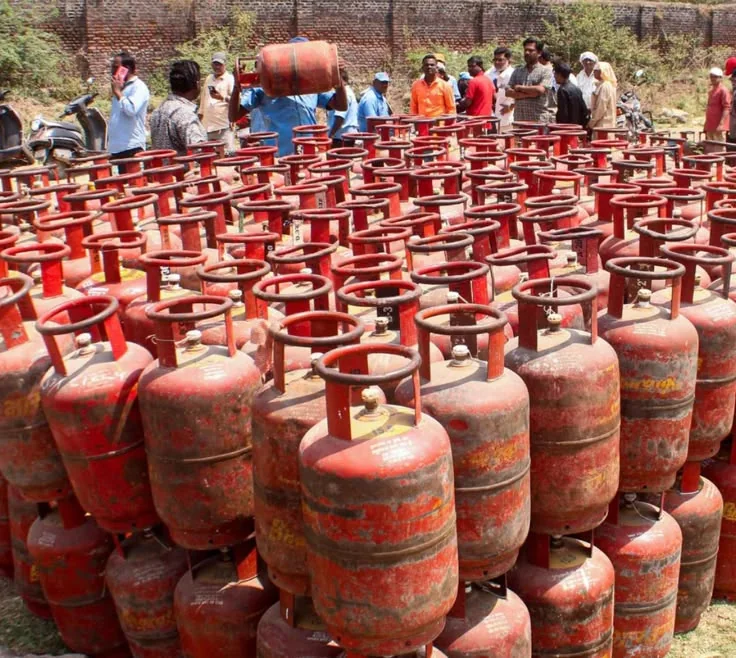
Temporary heat demand depends on enclosure, outdoor temperature, heater size, operating hours, and what the heat is protecting. Bring those details before discussing tanks, cylinders, or refill timing.
Clarify whether heat is for worker comfort, curing materials, freeze protection, drying, equipment protection, or maintaining a minimum building temperature. The target condition helps define how long and how hard the heaters may run. Also note building enclosure, ventilation, door openings, project phase, and the dates when heat is expected. Temporary heat plans often change as a structure becomes tighter and.
Call (888) 559-7587Describe enclosure, heater size, target temperature, operating hours, weather exposure, project phase, and the work the heat is protecting.
Describe the enclosure stage, heated areas, work hours, temperature target, and any deadline that depends on maintaining temporary heat.
List heater models, input ratings, quantities, and any other propane equipment that may draw fuel during the same cold-weather period.
Bring heater type, input rating, number of units, target temperature, and expected daily run time. Describe enclosure, open doors, temporary walls, ventilation, and the area being heated.
Describe the enclosure stage, heated areas, work hours, temperature target, and any deadline that depends on maintaining temporary heat.
Call (888) 559-7587List heater models, input ratings, quantities, and any other propane equipment that may draw fuel during the same cold-weather period.
Call (888) 559-7587Identify the refill route, temporary tank area, protected work zones, and how access will change as walls, paving, or landscaping are completed.
Call (888) 559-7587Start with heater ratings, building condition, heating dates, and the current jobsite access plan; the fuel setup can be reviewed as the project changes.
Ask what tank or cylinder setup can support the installed heater load. Confirm delivery or exchange timing during continuous cold-weather operation.
Call (888) 559-7587Bring heater models, heated area, target temperature, operating hours, current phase, storage area, and refill-access information.
Confirm tank or cylinder arrangement, refill timing, delivery access, equipment responsibilities, and current temporary-heat terms.
Compare the confirmed supply plan with the coldest realistic work period and the hours heat must remain available.
A shell building and a nearly finished building can require very different heater run time. High air exchange can keep heaters running for long periods.
Describe the normal heating day using enclosure status, heater input, target temperature, run hours, and the areas that need heat.
Identify the coldest forecast, overnight work, curing schedules, open-building periods, or extended shifts that increase heater run time.
Note enclosure progress, weather, added heaters, schedule compression, or phase changes that can move fuel demand quickly.
Tank placement that works early in the project can become blocked by paving, fencing, or finished exterior work. Reserve a practical delivery route and storage area.
Update the provider when weather, enclosure, heater count, project phase, or operating hours change.
Recheck tank and delivery access as fencing, materials, lifts, landscaping, or finished work changes the site.
Identify curing, freeze protection, or occupied work that cannot tolerate a heat interruption.
Temporary heat can spike when several operational variables change together. Lower outdoor temperature increases heater run time.
Bring heater models, heated area, target temperature, operating hours, current phase, storage area, and refill-access information.
Confirm tank or cylinder arrangement, refill timing, delivery access, equipment responsibilities, and current temporary-heat terms.
Compare the confirmed supply plan with the coldest realistic work period and the hours heat must remain available.
Bring the project address, heater types and ratings, number of units, heated area, enclosure status, operating hours, expected dates, and proposed fuel-storage area.
Open walls, doors, and unfinished areas increase heat loss. As the building becomes enclosed, heater run time may change, so the fuel plan should be reviewed.
Some equipment and applications may allow continuous operation when all manufacturer, code, ventilation, monitoring, and safety requirements are met. Confirm the specific setup with qualified professionals.
Refill frequency depends on heater load, run time, outdoor temperature, storage capacity, and provider delivery schedule.
No. Equipment, placement, ventilation, access, provider coverage, and local requirements must be evaluated for the specific site.
Have the service location and your main propane questions ready. One call keeps the next step simple.