Cylinder programs
Think through inventory handling, exchange workflow, customer instructions and storage requirements.
Call (888) 559-7587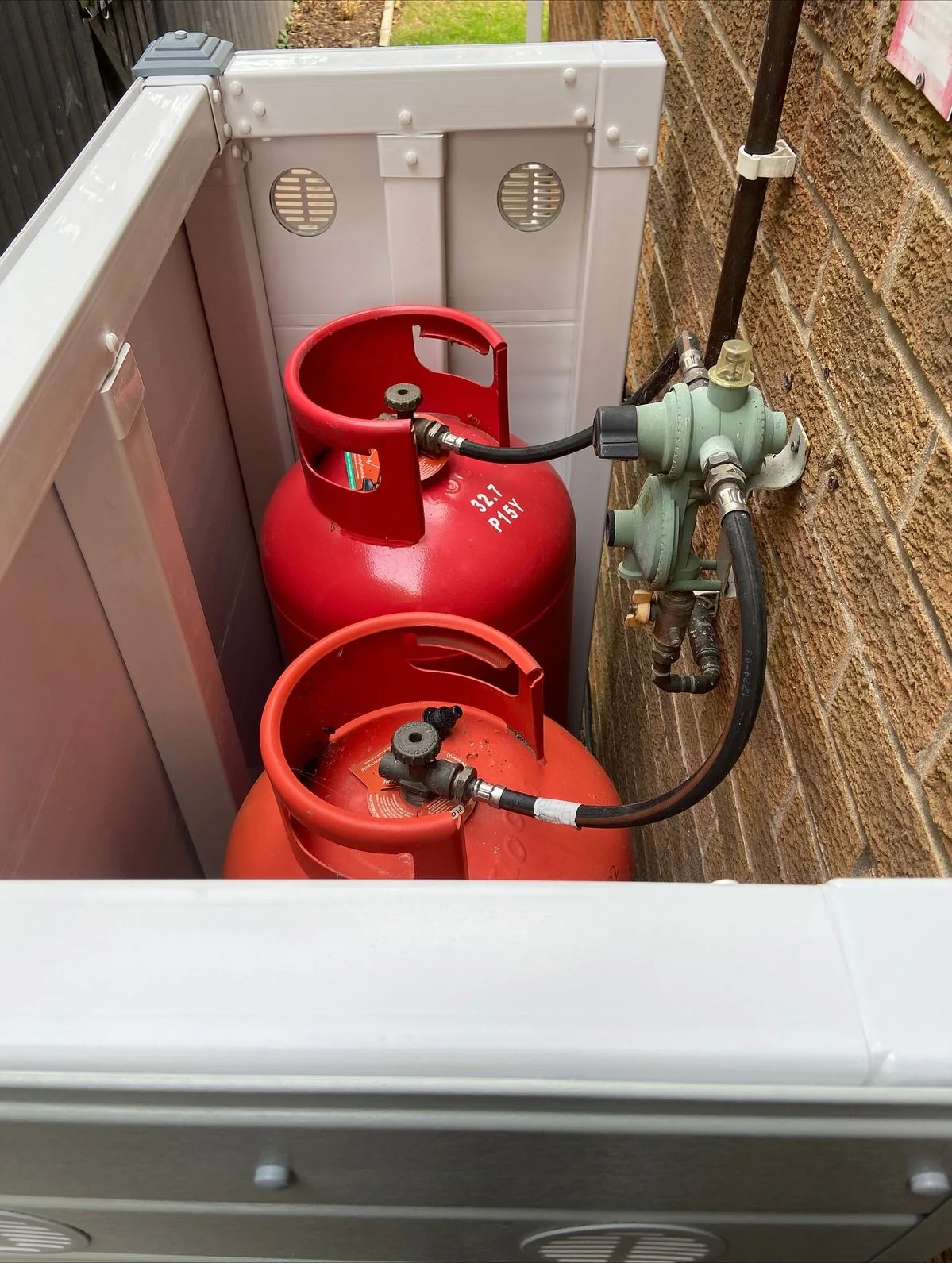
If you are exploring propane supply, cylinder programs, resale, or related business opportunities, start with who the customers are, how fuel would be stored or handled, and what support the operation expects. Current terms and availability must be confirmed directly.
Think through inventory handling, exchange workflow, customer instructions and storage requirements.
Call (888) 559-7587Build a clear process for account questions, delivery communication and equipment responsibilities.
Call (888) 559-7587Make vehicle or equipment refueling procedures easy to understand and operationally practical.
Call (888) 559-7587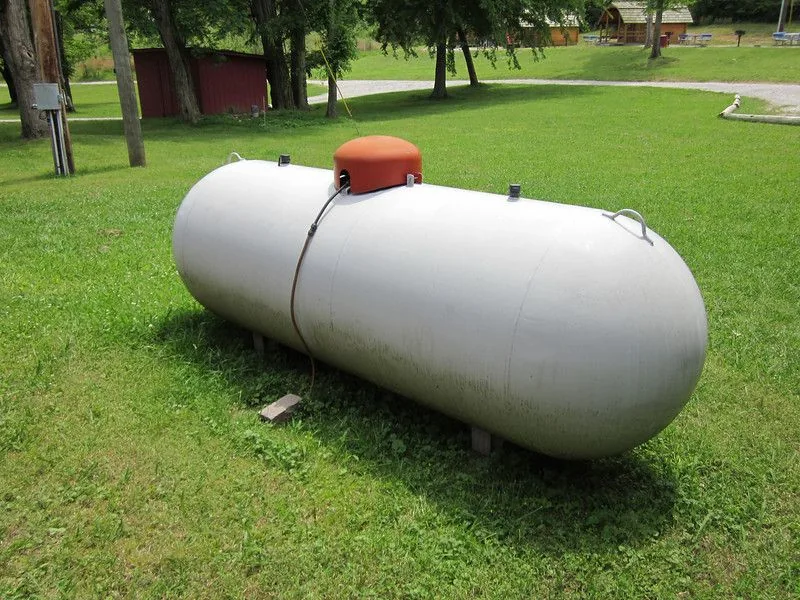
A propane supply inquiry is more productive when customer type, storage or cylinder workflow, service area, and support expectations are clear. Commercial terms, availability, and provider responsibilities still need direct confirmation.
This section is specific to sell propane and focuses on the information that makes the next service discussion more practical.
Organize the customer profile, cylinder or bulk workflow, storage conditions, expected volume, support responsibilities, and the questions that still depend on the provider. Keeping these facts together makes the next conversation specific without stretching the layout with empty space. Use the four planning blocks as a short readiness check: who is being served, how propane moves through the operation, what support is expected, and which terms must be confirmed for the location.
Define the customer type, property, operating pattern, and the propane application being supported.
Map receiving, storage, exchange or refill handling, and how propane moves through the workflow.
List staff responsibilities, inventory expectations, communication needs, and routine service questions.
Flag availability, timing, equipment responsibility, pricing method, and provider-specific account terms.
Good planning starts with the facts that change the conversation. For propane sales planning, focus on the real conditions around the property, equipment, timing, and workflow rather than relying on a generic assumption.
Add the details that change the service conversation: expected volume, replenishment rhythm, storage capacity, staff handoffs, customer-facing support, and the times when inventory pressure is highest.
Write down customer type so the starting point is specific. Include account type, site category, operating schedule and who will manage day-to-day propane questions.
Connect cylinder or bulk workflow to how the service or equipment will actually be used. Note refill rhythm, cylinder exchange handling, storage space, receiving workflow and any equipment changeovers.
Flag inventory and support for direct confirmation before making a decision. List inventory expectations, staff support, delivery communication and issues that require provider confirmation.
Start with the facts already available: customer type, current workflow, storage arrangement, expected volume, and the people responsible for day-to-day propane handling.
Then isolate the details that require direct confirmation, such as service coverage, compatible supply arrangements, delivery or cylinder support, timing, responsibilities, and current commercial terms.
Customer type, existing setup, storage, expected usage, and workflow.
Coverage, supply method, service responsibilities, timing, and support.
Move forward only after the confirmed terms fit the actual operating model.
Separate the facts you already know from the details that only a provider can confirm. This keeps distributor, cylinder and bulk planning focused on the actual customer, location and workflow.
Combine the customer type, expected propane volume, storage needs, cylinder or bulk handling, staff responsibilities, and the current workflow into one clear service profile. Include when propane is used most, how equipment is supplied, who manages refills or exchanges, and any site conditions that can affect access, storage, or daily operations.
Confirm provider coverage, compatible supply arrangements, delivery or cylinder exchange support, equipment and account responsibilities, expected service timing, and current commercial terms before choosing the next step. It also helps to review how the provider handles changing demand, seasonal peaks, access requirements, and any service conditions that may affect the business over time.
No wholesale price or supply term is presented here. Those details depend on supplier relationships, volumes, geography and commercial terms.
Storage, handling, local requirements, inventory flow, labeling, customer instructions and staff procedures are common planning topics.
Potentially, but each service model has its own equipment, safety, supply and customer-support considerations.
Confirm the intended customer type, storage and handling workflow, supply arrangement, staff responsibilities, local requirements, and current commercial terms with the appropriate provider.
Supply options, delivery logistics, storage requirements, service coverage, and commercial arrangements can vary by geography and site conditions.
Have the service location and your main propane questions ready. One call keeps the next step simple.