Start with guest-facing loads
Describe cooking, water heating, space heat, laundry, pool or patio loads, service hours, events, and equipment that may run together.
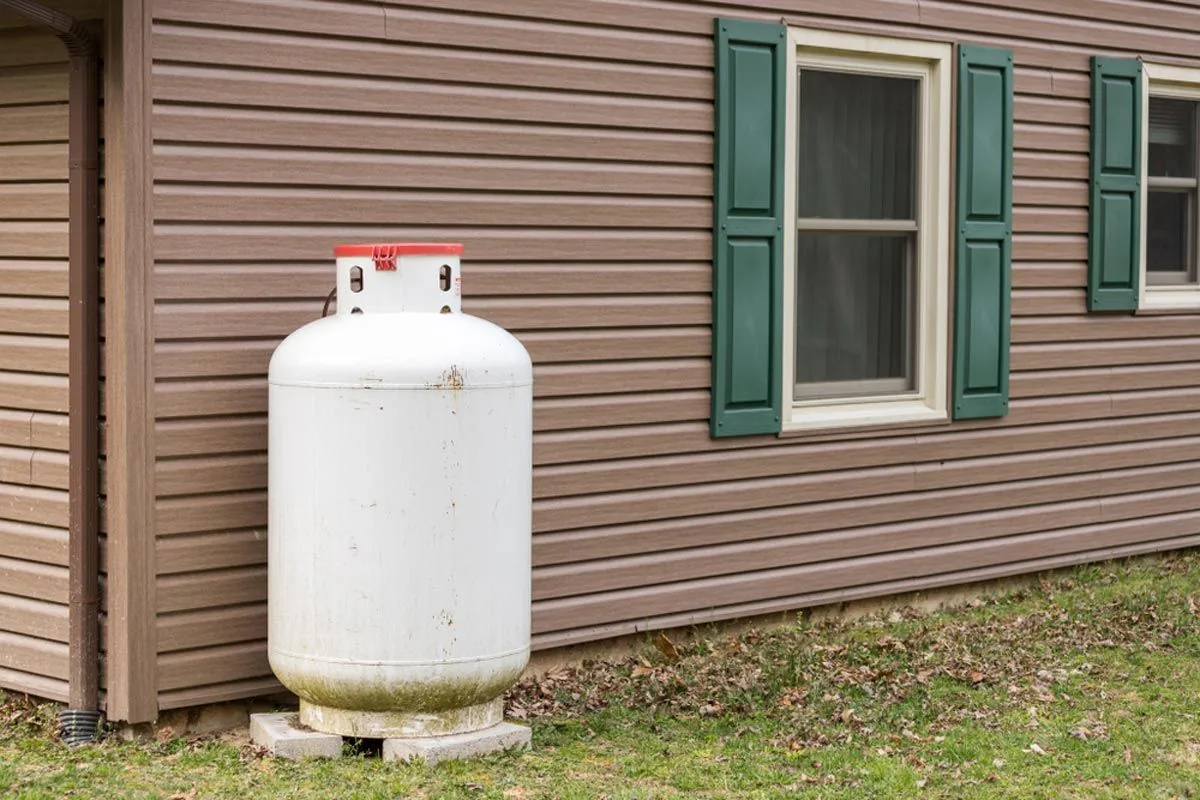
Restaurants, hotels, resorts, and event properties can have overlapping propane loads from cooking, water heating, space heat, laundry, pool heat, and outdoor amenities. Start with the operating schedule and equipment list.
Document kitchen appliances, water heaters, boilers, fireplaces, patio heaters, pool or spa equipment, laundry, and any other propane loads. Then identify meal periods, occupancy peaks, events, and seasons when several systems may run at the same time. Delivery access matters too. Urban alleys, resort drives, loading docks, valet areas, and guest traffic can limit when a fuel delivery can occur without disrupting.
Call (888) 559-7587Describe cooking, water heating, space heat, laundry, pool or patio loads, service hours, events, and equipment that may run together.
List ranges, ovens, fryers, water heating, patio equipment, and other propane loads that may run together.
Share opening hours, meal peaks, event periods, and any late-night or seasonal operating changes.
List cooking equipment, water-heating demand, dishwashing or laundry loads, and the busiest meal periods. Include space heat, fireplaces, patio heat, pool or spa equipment, and seasonal operating schedules.
List ranges, ovens, fryers, water heating, patio equipment, and other propane loads that may run together.
Call (888) 559-7587Share opening hours, meal peaks, event periods, and any late-night or seasonal operating changes.
Call (888) 559-7587Bring appliance models, ventilation or installation notes, existing tank or cylinder details, and delivery access.
Call (888) 559-7587Bring the property address, main propane equipment, busiest service periods, and receiving restrictions before discussing delivery or storage.
Ask whether storage and delivery can support overlapping kitchen, hot-water, and comfort loads. Confirm delivery windows that work with guest traffic and receiving operations.
Call (888) 559-7587Bring appliance details, operating schedule, existing storage, guest and service traffic patterns, and delivery-access information.
Confirm storage, delivery timing, equipment responsibilities, service access, monitoring options, and current hospitality account terms.
Compare the confirmed plan with the property’s busiest service periods and the loads that cannot easily pause.
Breakfast, laundry, dinner, events, and outdoor amenities can create different peaks. Hot water, breakfast cooking, laundry, and building heat may overlap.
Describe a normal operating day using kitchen hours, hot-water demand, laundry cycles, heating needs, and guest-service periods.
Identify meal rushes, events, high-occupancy weekends, cold weather, or seasonal periods when several propane loads overlap.
Note menu changes, added equipment, longer hours, special events, or property renovations that can increase propane demand.
The best delivery window may be outside normal guest arrival and meal periods. Coordinate with food, linen, and other vendor traffic.
Update the provider when occupancy, event schedules, operating hours, kitchen equipment, or heating loads change.
Recheck delivery access when valet, guest parking, loading areas, events, or outdoor service changes site traffic.
Identify cooking, hot-water, heating, or other guest-facing loads where a fuel interruption would affect service.
Occupancy and operating hours can change demand before equipment is replaced. Resorts may have strong summer or winter peaks.
Bring appliance details, operating schedule, existing storage, guest and service traffic patterns, and delivery-access information.
Confirm storage, delivery timing, equipment responsibilities, service access, monitoring options, and current hospitality account terms.
Compare the confirmed plan with the property’s busiest service periods and the loads that cannot easily pause.
Bring the property address, propane equipment list, operating hours, busiest meal or occupancy periods, existing storage, and delivery-access restrictions.
Yes, when properly designed and installed, propane can serve multiple commercial applications. Share all connected loads so the total demand can be evaluated.
Guest traffic, loading docks, events, and food deliveries can limit safe or practical access. Discuss times when the service area is easiest to reach.
Explain peak occupancy, event seasons, patio or pool operation, and any periods when the property is closed or lightly occupied.
No. Availability, tank arrangements, delivery schedules, pricing, equipment responsibility, and account terms vary by provider and location.
Have the service location and your main propane questions ready. One call keeps the next step simple.