Start with vehicles and traffic flow
Describe who will fuel, vehicle count, fueling windows, expected volume, site circulation, operator access, and the delivery route to the station.
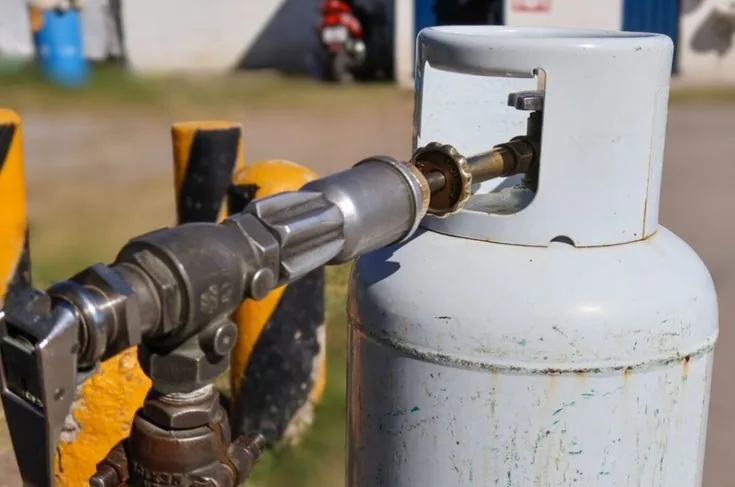
A refueling site needs more than a tank and dispenser. Start with vehicle volume, fueling windows, site layout, operator access, delivery routes, and who will manage daily station checks.
Estimate the number of vehicles, expected gallons or fueling events, busiest refueling periods, and whether the station serves a private fleet, employees, customers, or another controlled user group. Then map the site: entry and exit, queuing space, dispenser area, storage, delivery access, lighting, barriers, and nearby operations. Qualified professionals and the provider can confirm technical requirements for the.
Call (888) 559-7587Describe who will fuel, vehicle count, fueling windows, expected volume, site circulation, operator access, and the delivery route to the station.
Share vehicle count, route length, shift timing, return-to-base windows, and expected fuel volume.
Document public or on-site fueling access, parking, circulation, and any site constraints.
Share vehicle count, expected fueling frequency, shift timing, and peak demand periods. Map vehicle approach, queueing, dispenser access, turning room, and separation from other operations.
Share vehicle count, route length, shift timing, return-to-base windows, and expected fuel volume.
Call (888) 559-7587Document public or on-site fueling access, parking, circulation, and any site constraints.
Call (888) 559-7587Include future vehicles, peak dispatch periods, backup fueling needs, and current fleet-support workflow.
Call (888) 559-7587A simple site sketch, vehicle count, fueling window, and operating hours can make an early refueling-station discussion much more useful.
Ask what storage and dispensing arrangements are supported for the expected demand. Confirm required site space, delivery access, and provider equipment responsibilities.
Call (888) 559-7587Bring vehicle count, fueling schedule, site plan, parking and traffic flow, operator access, expected volume, and delivery-route information.
Confirm site suitability, compatible equipment, storage, delivery access, installation responsibilities, service support, and current terms.
Compare the confirmed station concept with actual vehicle movement, operator workflow, peak fueling windows, and delivery traffic.
The number of vehicles alone does not show whether a station can handle the operating schedule. Estimate how many vehicles may need fuel in the same window.
Describe the normal fueling window using vehicle count, arrival pattern, fueling duration, operator access, and daily site traffic.
Identify shift changes, dispatch peaks, fleet returns, or special operating periods when several vehicles may need fuel together.
Note fleet growth, route changes, new users, operating-hour changes, or site circulation changes that can affect station demand.
A workable site plan gives both users and delivery vehicles clear access. Map normal vehicle entry, fueling, and exit.
Update the provider when fleet size, fueling windows, route schedules, or expected volume changes.
Recheck delivery and fueling access whenever parking, gates, circulation, or site layout changes.
Identify vehicles or shifts that depend on the station so service planning reflects the impact of downtime.
Fleet growth and schedule changes can outgrow an initially workable fueling plan. More users increase both storage demand and dispenser occupancy.
Bring vehicle count, fueling schedule, site plan, parking and traffic flow, operator access, expected volume, and delivery-route information.
Confirm site suitability, compatible equipment, storage, delivery access, installation responsibilities, service support, and current terms.
Compare the confirmed station concept with actual vehicle movement, operator workflow, peak fueling windows, and delivery traffic.
Bring the site address, vehicle count, expected fueling pattern, operating hours, site layout, and available space for storage, delivery, and dispensing.
Yes, private fleet refueling is a common use case where the site, equipment, provider support, and operating procedures are appropriate.
Storage and dispenser requirements depend on vehicle demand, peak fueling windows, refill schedule, site constraints, and applicable technical requirements.
Responsibility varies by ownership and service arrangement. Confirm who owns, inspects, maintains, and repairs tanks, dispensers, hoses, and related equipment.
No. Service availability, equipment options, pricing, permitting, and commercial terms vary by location and provider.
Have the service location and your main propane questions ready. One call keeps the next step simple.