Start with equipment compatibility
Describe mower or equipment models, approved fuel setup, daily run hours, cylinder type, storage area, and how crews handle full and empty cylinders.
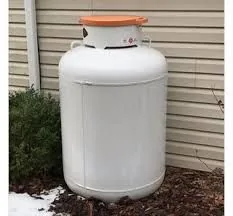
Grounds crews need fuel ready when equipment leaves the shop. Bring mower or equipment details, daily run hours, cylinder type, and storage information so the supply plan fits the workday.
Identify which mowers or grounds-maintenance machines are designed or approved for propane, the cylinder type they use, and how many hours they typically run before returning to the yard. Then document how operators exchange cylinders, where fuel is stored, and who receives replacements. A clear routine helps keep fuel handling separate from routine equipment maintenance and crew staging.
Call (888) 559-7587Describe mower or equipment models, approved fuel setup, daily run hours, cylinder type, storage area, and how crews handle full and empty cylinders.
List mowers and other propane-powered equipment, usage hours, and any fleet growth expected.
Note where equipment starts, returns, refuels, and how much time is available for fuel handling.
Bring manufacturer and model information for propane-powered mowers or equipment and follow approved fuel-system requirements. Estimate machine hours, number of operating days, and whether several units work the same long shift.
List mowers and other propane-powered equipment, usage hours, and any fleet growth expected.
Call (888) 559-7587Note where equipment starts, returns, refuels, and how much time is available for fuel handling.
Call (888) 559-7587Bring cylinder storage, exchange workflow, service access, and current equipment information.
Call (888) 559-7587Machine models, cylinder type, daily run hours, and the approved storage area are enough to make the first equipment-fuel conversation specific.
Ask what cylinder or refill program supports the equipment and usage pattern. Confirm storage and exchange expectations for the yard or facility.
Call (888) 559-7587Bring equipment models, daily run hours, cylinder type, storage location, crew workflow, and existing supply information.
Confirm equipment compatibility, cylinder or supply options, exchange or delivery support, storage responsibilities, and current terms.
Compare the confirmed supply arrangement with equipment run time, crew movement, storage space, and the busiest workdays.
Fuel planning becomes clearer when usage is tied to machine hours and the number of operating units. List the mowers that run most of the day.
Describe the normal workday using equipment count, run hours, cylinder changes, and the time available for refueling or exchange.
Identify long mowing days, seasonal growth, larger properties, or extra equipment that increases cylinder turnover.
Note new machines, longer routes, added crews, or seasonal schedule changes that affect propane inventory.
A predictable exchange routine makes inventory easier to monitor. Keep ready cylinders in the approved storage area.
Update the provider when equipment count, route size, run hours, or seasonal workload changes.
Recheck cylinder storage and delivery access when trailers, shop layout, or crew staging changes.
Identify equipment that must stay available through a full shift so inventory supports the working day.
A few operational changes can raise cylinder demand quickly. Seasonal daylight or overtime extends mower hours.
Bring equipment models, daily run hours, cylinder type, storage location, crew workflow, and existing supply information.
Confirm equipment compatibility, cylinder or supply options, exchange or delivery support, storage responsibilities, and current terms.
Compare the confirmed supply arrangement with equipment run time, crew movement, storage space, and the busiest workdays.
Bring equipment make and model, cylinder type, number of machines, average run hours, storage location, and crew schedule.
No. Compatibility and conversion depend on the equipment, manufacturer guidance, and qualified fuel-system requirements.
Follow supplier, manufacturer, workplace, fire-code, and local safety requirements for the specific cylinder type and location.
That depends on machine run time, number of units, refill or exchange schedule, and peak workload. Discuss your busiest day with the provider.
No. Available programs, delivery methods, pricing, and equipment responsibility vary by provider and location.
Have the service location and your main propane questions ready. One call keeps the next step simple.