Start with crew routes
Describe mower count, daily run hours, route density, crew start points, cylinder handling, and how equipment returns for fuel during the day.
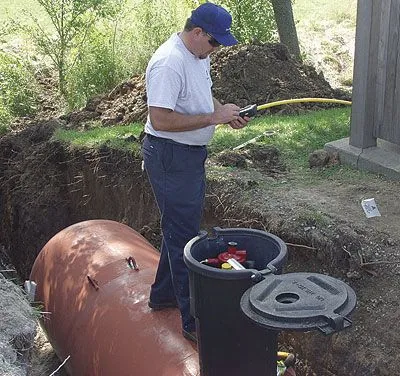
Commercial landscaping demand changes with crew size, route density, mower hours, and the length of the season. Start with the equipment fleet and where crews begin and end each day.
List propane-powered mowers or other equipment, cylinder type, typical hours per day, number of crews, and whether equipment returns to one yard. Route-based operations need a reliable way to start each day with enough fuel for the planned work. Also identify where full and empty cylinders are stored and how crews exchange them. Seasonal growth, rain delays, and added contracts can change fuel demand quickly even.
Call (888) 559-7587Describe mower count, daily run hours, route density, crew start points, cylinder handling, and how equipment returns for fuel during the day.
List mowers and other propane-powered equipment, usage hours, and any fleet growth expected.
Note where equipment starts, returns, refuels, and how much time is available for fuel handling.
Share mower count, engine or cylinder information, daily run hours, and any other propane-powered equipment. Explain whether crews return to a central yard, stage from multiple locations, or need fuel access away from the main shop.
List mowers and other propane-powered equipment, usage hours, and any fleet growth expected.
Call (888) 559-7587Note where equipment starts, returns, refuels, and how much time is available for fuel handling.
Call (888) 559-7587Bring cylinder storage, exchange workflow, service access, and current equipment information.
Call (888) 559-7587Bring the equipment count, crew schedule, yard location, and cylinder routine that crews use at the beginning and end of the day.
Ask how cylinder inventory should match the number of crews and daily run hours. Confirm exchange, refill, or delivery options available for the yard location.
Call (888) 559-7587Bring mower and equipment details, crew count, route pattern, daily run hours, cylinder storage, and loading-area access information.
Confirm compatible cylinders or supply arrangements, exchange or delivery timing, storage responsibilities, and current service terms.
Compare the confirmed supply plan with morning load-out, route length, crew return times, and the busiest mowing weeks.
The critical moment is often before crews leave the yard, when every mower needs enough fuel for the route. Estimate full cylinders needed before dispatch.
Describe a normal crew day using mower count, operating hours, route density, and when equipment returns to the shop or staging area.
Identify fast-growing periods, larger route days, overtime, or extra crews that increase equipment hours and fuel turnover.
Note route growth, added mowers, seasonal staffing, or schedule changes that affect daily propane use.
Mowing demand can rise fast after rain or during peak growth periods. Track typical mower hours and cylinder changes.
Update the provider when route density, crew size, equipment count, or seasonal mowing hours increase.
Recheck storage and delivery access when trailers, parked equipment, staging areas, or crew traffic changes.
Identify crews that cannot easily return for fuel so the cylinder plan supports a full route day.
Contract growth and route changes can affect propane demand before new equipment is added. More stops increase daily mower hours.
Bring mower and equipment details, crew count, route pattern, daily run hours, cylinder storage, and loading-area access information.
Confirm compatible cylinders or supply arrangements, exchange or delivery timing, storage responsibilities, and current service terms.
Compare the confirmed supply plan with morning load-out, route length, crew return times, and the busiest mowing weeks.
Bring equipment count, cylinder type, average daily run hours, number of crews, yard location, storage setup, and seasonal work pattern.
Yes, propane is used in some commercial mowers and grounds-maintenance equipment. Compatibility depends on the specific equipment and manufacturer configuration.
Use the provider’s handling guidance and applicable safety procedures. Plan an authorized storage and exchange routine that keeps full and empty cylinders organized.
Peak growth, new contracts, weather delays, and overtime can increase cylinder use. Discuss the busiest expected period rather than only an annual average.
Service options vary by location and supplier. Confirm delivery, exchange, storage, and account arrangements for the exact yard address.
Have the service location and your main propane questions ready. One call keeps the next step simple.