Start with trucks and shifts
Describe forklift count, cylinder size, hours per shift, change frequency, storage area, and how operators move full and empty cylinders.
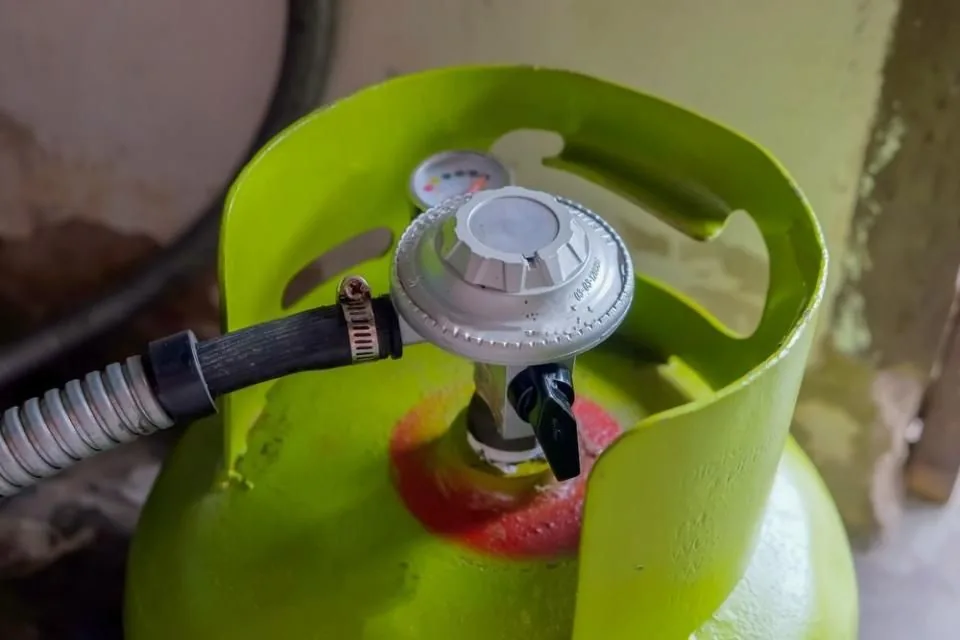
Forklift fuel planning works best when it matches the number of trucks, shift pattern, cylinder-change routine, and storage area. Bring those details before comparing supply options.
List the number of propane forklifts, cylinder size, hours per shift, number of shifts, and how often cylinders are typically changed. A three-shift warehouse with constant material movement has different needs than an operation that uses forklifts intermittently. Then map where full and empty cylinders are stored, who performs exchanges, and how deliveries enter the site. The goal is to keep fuel handling.
Call (888) 559-7587Describe forklift count, cylinder size, hours per shift, change frequency, storage area, and how operators move full and empty cylinders.
Share truck count, shift length, cylinder changes, and the periods when material movement is heaviest.
Map storage, exchange, receiving, and safe handling areas around the working floor.
Share forklift count, engine type if known, hours per shift, utilization, and peak production periods. Describe who changes cylinders, where exchanges happen, and how full and empty cylinders are separated.
Share truck count, shift length, cylinder changes, and the periods when material movement is heaviest.
Call (888) 559-7587Map storage, exchange, receiving, and safe handling areas around the working floor.
Call (888) 559-7587Bring truck models, fuel-system details, existing cylinder arrangements, and current workflow notes.
Call (888) 559-7587Start with forklift count, shifts, cylinder size, and the storage and receiving routine used by the material-handling team.
Ask how cylinder quantity and delivery frequency can match the number of forklifts and shifts. Confirm storage, exchange, and handling expectations for the site.
Call (888) 559-7587Bring forklift models, truck count, cylinder size, shift schedule, storage layout, exchange routine, and delivery access information.
Confirm cylinder quantity, delivery or exchange support, storage expectations, handling responsibilities, timing, and current terms.
Compare the confirmed cylinder program with operator movement, peak shift demand, storage space, and receiving workflow.
A useful starting point is how many cylinders the operation needs before, during, and after peak production periods. Estimate cylinders actively installed on forklifts.
Describe truck count, shift length, cylinder change frequency, and the periods when material movement is steady but predictable.
Identify receiving surges, production peaks, overtime, or multiple shifts that increase the number of cylinders needed in a short window.
Note added trucks, longer shifts, higher throughput, or storage changes that can alter cylinder inventory and exchange frequency.
Cylinder changes should fit the work area without creating unnecessary travel or mixing fuel handling with high-traffic zones. Choose an authorized area that fits site procedures.
Update the provider when forklift count, shift length, production volume, or cylinder-change frequency changes.
Recheck delivery, storage, and exchange access whenever the warehouse layout or material flow changes.
Identify shifts or production areas where a cylinder shortage would stop material movement or delay work.
Added shifts, overtime, or seasonal volume can raise fuel use without increasing the forklift count. Longer shifts increase run time per truck.
Bring forklift models, truck count, cylinder size, shift schedule, storage layout, exchange routine, and delivery access information.
Confirm cylinder quantity, delivery or exchange support, storage expectations, handling responsibilities, timing, and current terms.
Compare the confirmed cylinder program with operator movement, peak shift demand, storage space, and receiving workflow.
Bring forklift count, cylinder size, shift schedule, approximate cylinder usage, storage location, and receiving hours.
The right reserve depends on fleet size, usage, shift overlap, delivery schedule, and provider program. Use your peak shift demand to discuss an appropriate inventory.
Propane forklifts are commonly used indoors where equipment, ventilation, maintenance, and operating practices meet applicable requirements. Follow manufacturer, workplace, and safety guidance.
Ownership and responsibility vary by supplier program. Confirm whether cylinders are customer-owned, exchanged, leased, or otherwise provided under the commercial account.
Delivery frequency depends on usage, on-site inventory, receiving schedule, and provider capabilities. Confirm a schedule that fits the operation’s peak demand.
Have the service location and your main propane questions ready. One call keeps the next step simple.