Start with the dryer and crop
Describe dryer model or input, crop type, expected volume, moisture range, daily run hours, storage, and the access route used during harvest.
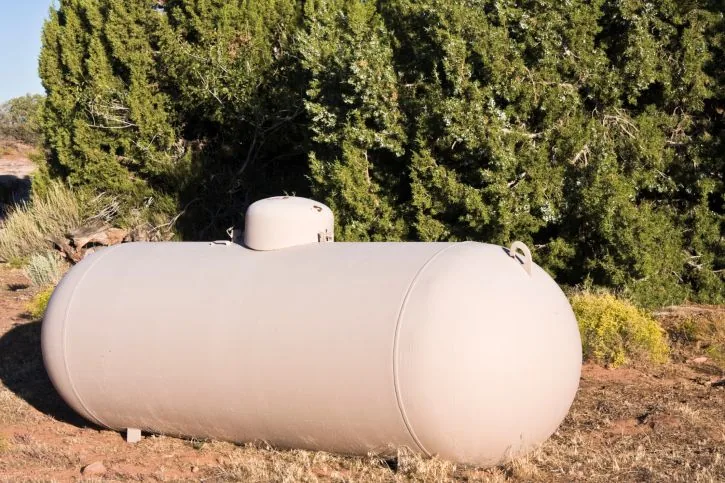
Dryer fuel demand can concentrate into a short harvest period. Bring dryer information, crop volume, expected moisture conditions, run hours, existing storage, and farm access so refill planning reflects the real season.
Share dryer make or model, burner input when available, crop type, expected acres or volume, and how many hours the dryer may run during a typical harvest day. Moisture levels and weather can change fuel use from year to year. Also explain how quickly grain moves through the operation and what happens if the dryer must stop. That gives the provider context for storage, delivery frequency, communication, and.
Call (888) 559-7587Describe dryer model or input, crop type, expected volume, moisture range, daily run hours, storage, and the access route used during harvest.
Estimate harvest or field timing, daily run hours, moisture or weather conditions, and peak-use periods.
Note storage location, delivery routes, field traffic, gates, and the times service vehicles can reach the site.
Bring equipment information, burner capacity, and the number of drying units that can operate at once. Estimate start date, daily run hours, crop volume, and how weather could compress the schedule.
Estimate harvest or field timing, daily run hours, moisture or weather conditions, and peak-use periods.
Call (888) 559-7587Note storage location, delivery routes, field traffic, gates, and the times service vehicles can reach the site.
Call (888) 559-7587Bring dryer, burner, irrigation, heating, or other propane equipment details already known.
Call (888) 559-7587Bring the dryer information, crop plan, likely run hours, and tank access; exact seasonal fuel use can be refined as harvest conditions become clearer.
Ask whether existing storage fits the dryer load and harvest schedule. Confirm delivery communication and expected refill timing during peak harvest.
Call (888) 559-7587Bring dryer information, expected crop volume, moisture range, run hours, existing storage, tank level, and delivery access details.
Confirm storage fit, delivery frequency, refill communication, site access, responsibilities, and current farm service terms.
Use the confirmed refill plan against the busiest realistic harvest period, not only an average drying day.
Drying demand is more useful when tied to operating hours and crop conditions than to a single seasonal estimate. Estimate typical dryer run hours and throughput.
Describe a normal drying day using expected crop volume, moisture, burner run time, and the hours grain moves through the dryer.
Identify wetter grain, compressed harvest windows, longer drying days, or weather delays that can push propane demand higher.
Note moisture, field conditions, harvest pace, weather, or dryer settings that can change fuel use quickly.
Farm yards can become crowded exactly when the dryer needs the most fuel. Keep the route clear of grain carts, trucks, and stored equipment.
Update the provider when moisture, harvest pace, dryer hours, crop volume, or weather changes the expected fuel draw.
Keep the tank route clear when grain carts, trucks, combines, and stored equipment crowd the farmyard.
Identify drying periods where a fuel interruption would slow harvest or leave wet grain waiting for dryer capacity.
A few weather and operating variables can change refill timing materially. Wetter grain generally requires more drying energy.
Bring dryer information, expected crop volume, moisture range, run hours, existing storage, tank level, and delivery access details.
Confirm storage fit, delivery frequency, refill communication, site access, responsibilities, and current farm service terms.
Use the confirmed refill plan against the busiest realistic harvest period, not only an average drying day.
Bring dryer model or burner information, crop type and expected volume, typical and peak run hours, existing tank details, and delivery access notes.
Moisture affects how much drying energy may be needed. Use realistic harvest conditions rather than a single best-case estimate when discussing fuel demand.
Ask about storage capacity, refill thresholds, delivery communication, lead time, and how service is handled during the busiest harvest period.
Possibly, depending on the installed system and total demand. Tell the provider about all connected loads that may run at the same time.
Not necessarily. Pricing methods and commercial terms vary by provider and account. Confirm current pricing, delivery, and equipment terms directly.
Have the service location and your main propane questions ready. One call keeps the next step simple.