Start with the active equipment
Describe the current project phase, propane-powered equipment, run hours, overlapping loads, and the routes available for storage and delivery.
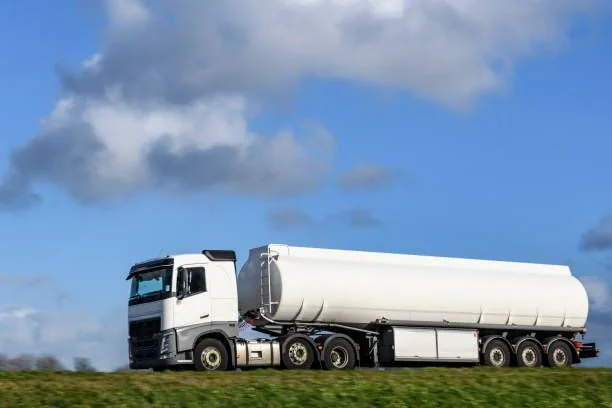
Construction propane demand changes as the job moves from site work to enclosed building, finishing, and closeout. Share the equipment list, project phase, operating hours, and access conditions before discussing service.
List temporary heaters, generators, lifts, roofing or curing equipment, and any other propane-powered tools. Then identify when each one will be used and whether several loads may run at the same time. A construction site also changes physically. Delivery routes, fencing, stored materials, cranes, and finished landscaping can affect where tanks or cylinders can be placed and serviced from one phase to the next.
Call (888) 559-7587Describe the current project phase, propane-powered equipment, run hours, overlapping loads, and the routes available for storage and delivery.
Describe the current job phase, crew hours, deadlines, and the equipment or heated areas that need propane during this stage of work.
List the propane-powered heaters, generators, lifts, torches, curing equipment, and other tools that may operate at the same time.
Share heater type, building enclosure status, target temperature, and expected run hours during cold weather. Identify cylinders or equipment that move around the site and how they will be stored, exchanged, and secured.
Describe the current job phase, crew hours, deadlines, and the equipment or heated areas that need propane during this stage of work.
Call (888) 559-7587List the propane-powered heaters, generators, lifts, torches, curing equipment, and other tools that may operate at the same time.
Call (888) 559-7587Show where delivery vehicles enter, where fuel can be stored, and how excavation, staging, fencing, or closeout work may change access.
Call (888) 559-7587A contractor can start with the equipment list, current phase, work hours, and a simple description of where fuel can be stored and delivered. Share the exact location, gate plan, and whether the jobsite has separate staging or delivery entry points.
Use the current stage of work to confirm storage, access, equipment responsibility, and refill planning before the site shifts again. Ask what tank or cylinder arrangement fits the current equipment load, the amount of open space, and the protections needed on this phase of the site.
Call (888) 559-7587Bring the project address, current phase, equipment list, operating hours, storage area, and known delivery access restrictions.
Confirm tank or cylinder options, delivery access, connection responsibilities, refill timing, and current jobsite service terms.
Use the confirmed setup for the phase you are in now and recheck it before site access or equipment demand changes.
A useful plan separates short, intense heating periods from routine portable equipment use. Note generators or portable tools used before the building is enclosed.
Describe the equipment running in the current phase, expected hours, temporary heat needs, and how crews move through the site.
Identify cold-weather work, extended shifts, curing, roofing, or other periods when several propane loads may operate together.
Note fencing, excavation, stored materials, cranes, traffic patterns, or phase changes that can alter safe delivery and storage access.
Storage and service areas need to remain practical as crews and materials move around the jobsite. Keep delivery paths clear of material staging and heavy equipment.
Call (888) 559-7587Update the provider when work hours, temporary heat, crew size, project phase, or equipment changes increase propane demand.
Recheck storage and delivery access whenever fencing, excavation, traffic routes, or material staging changes.
Identify work that cannot pause for a fuel interruption so refill planning matches the project schedule.
Use the current phase and equipment list to keep the service conversation specific. Project address; equipment; phase schedule; storage and delivery areas.
Bring the project address, current phase, equipment list, operating hours, storage area, and known delivery access restrictions.
Confirm tank or cylinder options, delivery access, connection responsibilities, refill timing, and current jobsite service terms.
Use the confirmed setup for the phase you are in now and recheck it before site access or equipment demand changes.
Bring the project address, current construction phase, propane equipment list, expected operating hours, proposed storage area, and delivery-access notes.
Yes, propane is commonly used for temporary heat where equipment and site conditions are appropriate. Heater sizing, ventilation, placement, and safety requirements must be confirmed by qualified professionals.
Cylinder storage, exchange, transport, and connection procedures depend on the equipment and site requirements. Ask the provider and follow applicable safety and code guidance.
Equipment demand and site access can change substantially as the building is enclosed and exterior work is completed. The service plan may need to change with the phase.
No. Delivery timing, access, storage arrangement, and commercial terms depend on location, usage, and provider capabilities.
Have the service location and your main propane questions ready. One call keeps the next step simple.