Start with the real heat load
Let the service terms follow from the real use case so storage, delivery, and continuity questions stay connected to the operation.
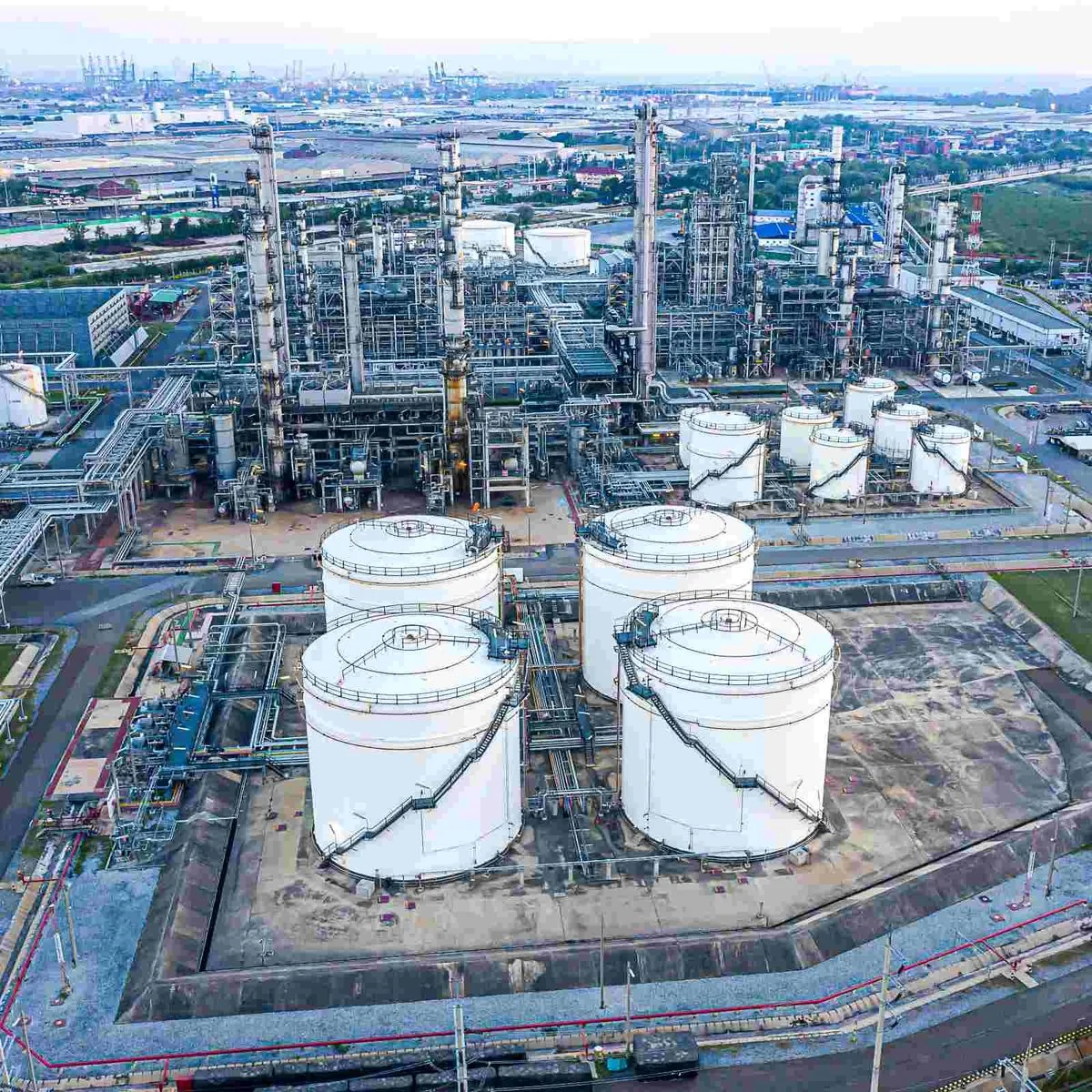
A warehouse, shop, restaurant, greenhouse, or job facility can have very different heating demand. Start with the heated space, equipment, operating schedule, and cold-weather peak before discussing storage or delivery.
Document the building type, square footage or heated zones, equipment model and input where known, thermostat schedule, ventilation needs, and any doors or loading areas that create large heat losses.
Also identify whether heat is comfort-critical, process-critical, or temporary. A building that can coast through a short interruption has different continuity needs than a facility that cannot stop production or protect temperature-sensitive materials.
Call (888) 559-7587Let the service terms follow from the real use case so storage, delivery, and continuity questions stay connected to the operation.
Share the heated area, occupancy pattern, equipment details, ventilation, and any zones with different heating requirements.
Identify the coldest realistic operating window, longer shifts, and open-door activity that can increase heat loss.
Share equipment ratings, heated areas, operating temperatures, and whether several heaters can run together.
Call (888) 559-7587Estimate the busiest winter period, overnight operation, and any seasonal hours that raise demand.
Call (888) 559-7587Explain what happens if heat is interrupted and whether backup equipment or tighter refill planning is needed.
Call (888) 559-7587Start with the building, heater equipment, occupied hours, and the coldest operating period rather than trying to estimate an annual fuel total.
Ask what storage arrangement can support the heating load and peak run time.
Confirm delivery scheduling and communication during prolonged cold weather.
Review access to tanks, meters, regulators, and equipment service areas.
Confirm responsibilities, pricing method, and current commercial service terms.
Heating demand is driven by when the building is occupied, opened, loaded, or exposed to outdoor air.
Note target temperature and staffed shifts.
Identify morning warm-up or post-door-opening recovery loads.
Clarify setback temperatures and whether critical areas stay heated.
The consequence of an interruption affects how closely storage and delivery need to be planned.
Offices, retail, or common areas may tolerate short temperature changes.
Production or material storage may require tighter temperature control.
Freeze protection or livestock areas may need specific contingency planning.
Use actual operating information to frame the provider discussion and verify the pieces that vary by site.
Equipment list; heated areas; schedule; winter usage pattern.
Storage; delivery timing; monitoring options; responsibilities; commercial terms.
Compare the confirmed plan with the facility’s worst realistic winter week.
Bring the facility address, heater or boiler information, heated areas, operating schedule, winter peak period, existing storage, and delivery-access details.
A building heated 24/7 can use fuel very differently from one that is heated only during a daytime shift. The schedule helps frame storage and delivery questions.
Discuss peak heating periods, expected run time, refill communication, storage capacity, and what happens if demand rises faster than expected.
It may, depending on equipment and the installed system. Provide the full load picture so qualified professionals can evaluate the arrangement.
No. Pricing method, minimums, delivery arrangements, equipment responsibility, and account terms can vary by provider, location, and service setup.
Have the service location and your main propane questions ready. One call keeps the next step simple.