Start with the site plan
Describe the lots, building uses, construction phases, expected propane applications, and access routes before equipment locations are finalized.
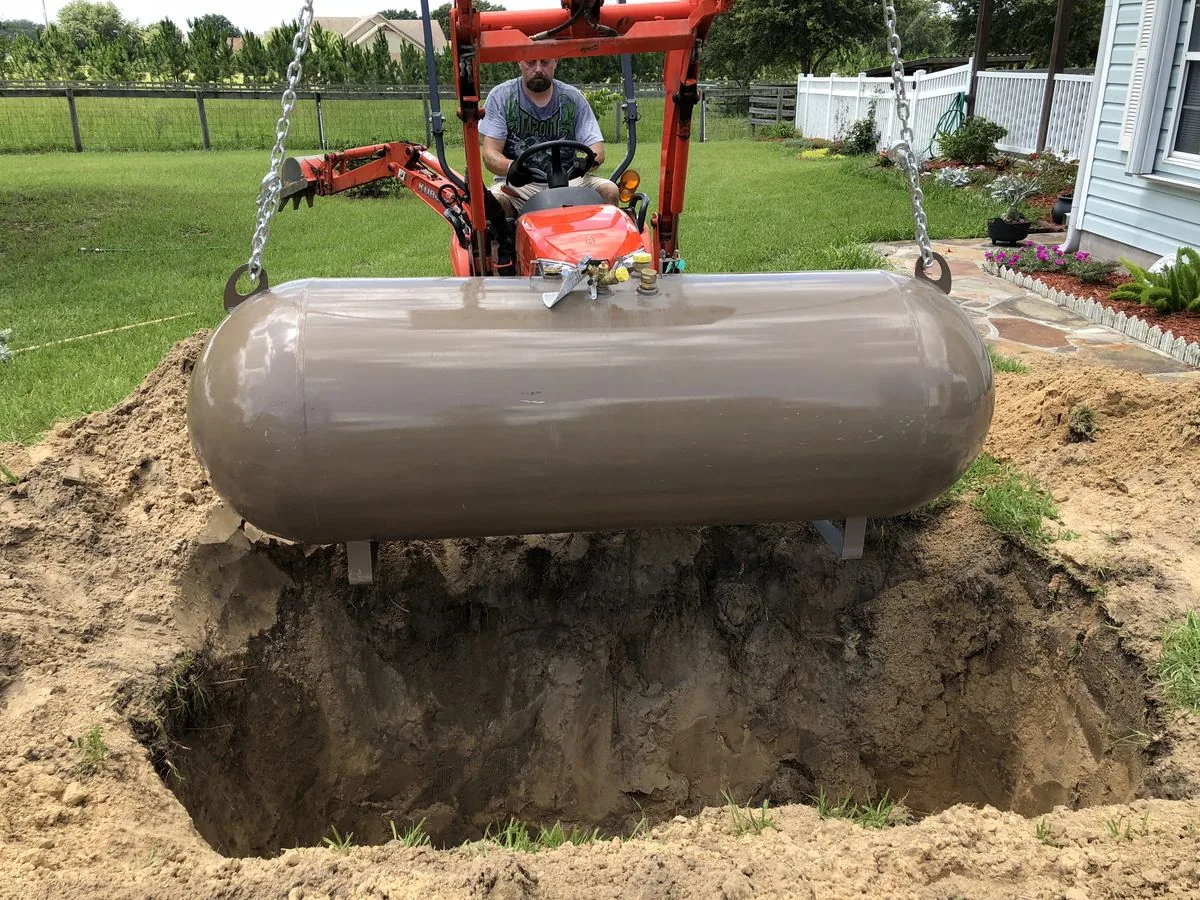
Development projects benefit from propane planning before roads, lots, utilities, and equipment locations are locked in. Bring the site plan, construction phases, expected building uses, and access constraints to the first provider conversation.
Clarify whether propane will serve individual homes, shared amenities, commercial spaces, temporary construction heat, or a combination. The service approach can change depending on whether each property has its own tank or the project uses a coordinated supply arrangement. Early planning also helps surface practical questions about tank placement, delivery routes, setbacks, landscaping, meter or regulator.
Call (888) 559-7587Describe the lots, building uses, construction phases, expected propane applications, and access routes before equipment locations are finalized.
List the active phase, work hours, site deadlines, and the buildings or work areas that need propane during the current stage.
Include temporary heat, generators, lifts, torches, and future building loads that may overlap as the development moves forward.
Identify likely tank or equipment areas, drive access, setbacks, and places where future landscaping could limit service. Share which buildings come online first and whether temporary heat or staged fuel service is needed during construction.
List the active phase, work hours, site deadlines, and the buildings or work areas that need propane during the current stage.
Call (888) 559-7587Include temporary heat, generators, lifts, torches, and future building loads that may overlap as the development moves forward.
Call (888) 559-7587Mark the delivery entrance, proposed storage area, active work zones, road changes, and the point when permanent landscaping or paving limits access.
Call (888) 559-7587A current site plan and construction schedule are more useful than a finished specification at the first propane discussion.
Ask how tank placement and delivery access should be considered in the current site plan. Confirm whether individual or coordinated service arrangements are available for the project.
Call (888) 559-7587Bring the site plan, construction schedule, expected building uses, equipment list, access routes, and known tank or cylinder locations.
Confirm service coverage, storage options, delivery access, installation responsibilities, timing, and current project-specific terms.
Use the confirmed requirements to keep propane locations and service access aligned with the development plan before work is locked in.
Separate temporary construction demand from the permanent service that will remain after occupancy. Identify when temporary heat or equipment fuel may first be needed.
Describe the current construction phase, active equipment, temporary loads, and the propane uses planned for completed buildings.
Identify periods when temporary heat, construction equipment, or several building systems may create overlapping propane demand.
Note utility work, road changes, lot revisions, equipment substitutions, or schedule shifts that can affect tank and delivery access.
A tank location can look acceptable on paper but become difficult once driveways, fences, landscaping, and traffic patterns are added. Keep delivery vehicle movement in mind as roads and parking are finalized.
Update the provider when building uses, project phases, appliance schedules, or temporary equipment loads change.
Recheck tank and delivery access as roads, landscaping, fencing, and finished site features are added.
Identify construction or completed-building loads that cannot easily stop so the service plan reflects real continuity needs.
Phasing and site revisions can change demand and access even after an initial plan is discussed. Track changes to setbacks, yards, and utility areas.
Bring the site plan, construction schedule, expected building uses, equipment list, access routes, and known tank or cylinder locations.
Confirm service coverage, storage options, delivery access, installation responsibilities, timing, and current project-specific terms.
Use the confirmed requirements to keep propane locations and service access aligned with the development plan before work is locked in.
Early enough that tank locations, delivery access, utility areas, landscaping, and construction phases can be considered before final site decisions are locked in.
Potentially. Treat temporary construction demand and permanent building service as separate planning questions because equipment, timing, and responsibilities can differ.
A current site plan, building types, construction phases, proposed propane uses, access routes, and any known equipment locations are useful.
No. Tank sizes, individual versus shared arrangements, placement, and provider support depend on the project, local requirements, and provider capabilities.
That depends on the final service model. Ask how accounts, equipment responsibility, and service communication transfer from builder or developer to owners or property management.
Have the service location and your main propane questions ready. One call keeps the next step simple.