Vehicle compatibility
Bring make, model, fuel-system information, and any manufacturer or qualified-conversion details already known.
Call (888) 559-7587
Propane AutoGas can fit some fleet and vehicle applications when vehicle compatibility, route length, parking, and refueling access line up. Start with how the vehicle works every day, then confirm current fueling options and provider support.
Bring make, model, fuel-system information, and any manufacturer or qualified-conversion details already known.
Call (888) 559-7587Share daily mileage, shift length, return-to-base timing, and whether vehicles travel beyond the local fueling area.
Call (888) 559-7587Identify public station access or discuss whether a private on-site station fits the fleet and property.
Call (888) 559-7587Note where vehicles park, whether refueling can happen at the base location, and any site-access or space limits that affect daily fueling.
Call (888) 559-7587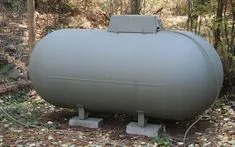
Vehicle and fueling facts help narrow an AutoGas discussion, but compatibility, station access, equipment requirements, and current service terms still need provider or qualified-professional confirmation.
A workable AutoGas plan depends on when and where the vehicle can reliably take fuel. Start with the first departure, the route pattern, expected mileage, idle time, and the point when the vehicle returns to base.
Also note driver shift changes, days with longer routes, and any operating window when refueling would interrupt dispatch. Those details help show whether the fueling routine fits the way the vehicle is actually used.
Call (888) 559-7587Know the expected starting fuel level, first route segment, planned mileage, and whether the vehicle leaves immediately for a long run or begins with local stops. Note early loading or idle time that may affect the first fueling decision of the day. Also include the expected passenger or cargo load, road conditions, planned fueling opportunities, and any tight delivery or arrival windows.
Track mileage, idle time, and whether the vehicle leaves the local area.
Identify the window available for refueling before the next shift.
The best approach depends on fleet size, route control, and site conditions.
Call (888) 559-7587Useful when locations align with routes and operating hours.
Can reduce off-route fueling but requires site, equipment, and delivery planning.
Some fleets may use a primary station plus contingency public access.
Vehicle count is only the starting point. Route length, dispatch timing, refueling access, idle time, and return-to-base patterns determine whether a fueling plan works in normal operations.
Include the days that run differently from the normal schedule, such as longer routes, seasonal peaks, added vehicles, or late returns. These exceptions often reveal the fueling capacity and access questions that need direct provider confirmation.
Compare normal mileage, longer route days, idle time, and the distance between practical fueling points.
Include route length, daily stop count, traffic conditions, terrain, and any regular detours that may increase fuel use during normal operations.
Also note how often vehicles return to the same base, whether drivers can refuel between routes, and which trips require the longest time away from a reliable fueling location.
Seasonal schedules, heavier loads, extended idling, or added deliveries can also change the practical range needed for a typical workday.
Note when vehicles leave, return, change drivers, and can realistically stop for fuel without delaying the workday.
Planned vehicle additions, route expansion, or schedule changes can affect station access, capacity, and delivery planning.
Bring vehicle make and model, fuel-system information if known, daily mileage, route area, parking location, and preferred refueling method.
No. Compatibility depends on the vehicle, approved fuel system, manufacturer guidance, and qualified conversion requirements.
Depending on the area, fleets may use public stations or an on-site private station. Availability must be confirmed for the routes and location.
Fleet size, return-to-base pattern, available site space, storage and dispenser requirements, delivery access, and provider support all matter.
No fixed pricing is assumed. Fuel pricing and commercial terms can vary by provider, market, volume, and service arrangement.
Have the service location and your main propane questions ready. One call keeps the next step simple.