Start with the farm workload
Describe the equipment, heating, drying, or livestock work that uses propane and when those loads overlap during the season.
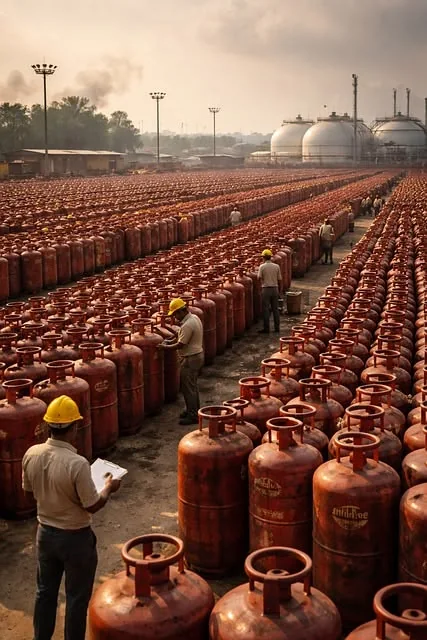
Farm propane demand can change fast during drying, heating, livestock, and harvest periods. Start with the equipment, busiest weeks, tank location, and delivery access so the service conversation matches the operation.
List the applications that actually use propane: crop dryers, poultry or livestock buildings, shop heat, water heating, irrigation engines, or other equipment. Then note which loads run every day and which appear only during planting, harvest, or cold weather. Seasonality matters because a farm can move from light use to concentrated demand in a short window. Sharing the timing, equipment capacity, and road or field.
Call (888) 559-7587Describe the equipment, heating, drying, or livestock work that uses propane and when those loads overlap during the season.
Estimate harvest or field timing, daily run hours, moisture or weather conditions, and peak-use periods.
Note storage location, delivery routes, field traffic, gates, and the times service vehicles can reach the site.
Share dryer type, expected run hours, crop window, and how quickly fuel demand can rise during harvest. Describe heated buildings, temperature needs, backup expectations, and the months when heating demand is highest.
Estimate harvest or field timing, daily run hours, moisture or weather conditions, and peak-use periods.
Call (888) 559-7587Note storage location, delivery routes, field traffic, gates, and the times service vehicles can reach the site.
Call (888) 559-7587Bring dryer, burner, irrigation, heating, or other propane equipment details already known.
Call (888) 559-7587A useful farm call can start with the operation, the busiest season, the main equipment, and a realistic description of delivery access.
Ask what storage arrangement fits the equipment and seasonal demand you described. Confirm how deliveries are scheduled during high-use periods and whether access limits affect the route.
Call (888) 559-7587Bring equipment details, seasonal timing, storage location, access routes, and any recent propane-use information you already have.
Confirm service availability, storage options, delivery timing, equipment responsibilities, and current farm account terms for the location.
Use the confirmed service details to decide whether the supply plan fits the farm calendar and busiest operating periods.
Separate steady loads from short seasonal peaks so the provider can see when fuel use changes. List heat, hot water, or equipment that runs routinely.
Describe a normal farm day, including equipment run time, heating needs, drying activity, and the propane loads that operate together.
Identify harvest, drying, cold-weather, or livestock periods when propane use rises well above the normal farm workload.
Note weather, crop conditions, field timing, or equipment changes that can shift fuel demand with little notice.
The right questions depend on how fuel moves through the operation, not just the annual total. Bring known tank sizes, locations, and connected equipment.
Update the provider when harvest timing, drying hours, livestock needs, or other seasonal farm loads change.
Recheck delivery access when field traffic, gates, stored equipment, or weather changes the route to the tank.
Identify farm work that cannot easily pause so refill planning reflects the consequence of a fuel interruption.
A few operational details can materially change how a provider plans service. Track expected daily run time during harvest.
Bring equipment details, seasonal timing, storage location, access routes, and any recent propane-use information you already have.
Confirm service availability, storage options, delivery timing, equipment responsibilities, and current farm account terms for the location.
Use the confirmed service details to decide whether the supply plan fits the farm calendar and busiest operating periods.
Have the farm address, main propane uses, equipment details, peak seasonal dates, existing tank information, and delivery-access notes ready.
Yes, propane can serve multiple farm applications when the equipment and installation are appropriate. Tell the provider which loads may run at the same time so total demand can be evaluated.
Crop drying can create a short period of much higher fuel use. Ask how delivery scheduling, storage capacity, and refill communication work during your expected harvest window.
No. Availability, storage options, delivery access, equipment requirements, and commercial terms can vary by location and provider.
Responsibility depends on the service arrangement. Ask who supplies, owns, maintains, and inspects tanks, regulators, and related service equipment before agreeing to service.
Have the service location and your main propane questions ready. One call keeps the next step simple.